Think Like A User: Musings on People-Focused Engineering


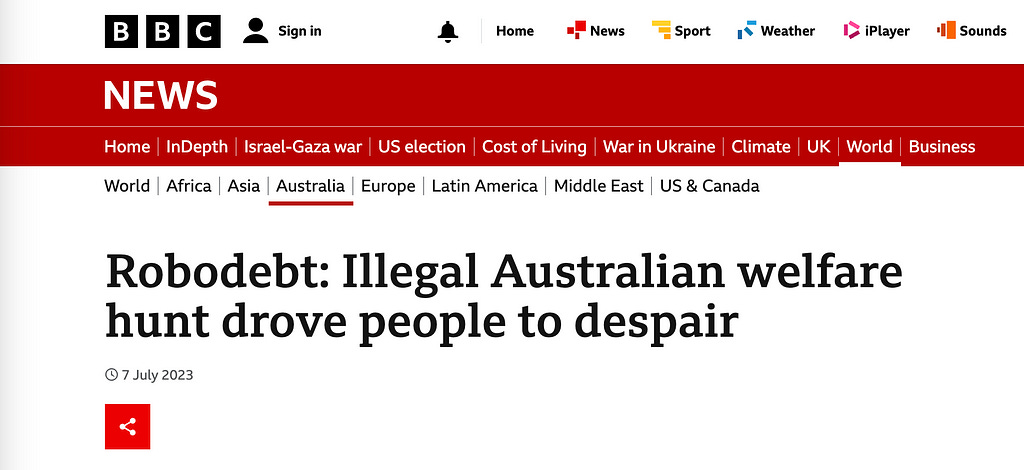
I recently learnt about the Australian Robodebt scandal; Robodebt was an automated debt recovery system built by the Australian government that ultimately led to widespread depression and even cases of suicide mainly because of fundamental flaws in the system’s algorithm, amongst many other factors. I have come to see cases like this as one of the tragic examples of not designing systems with people in view.
I studied electrical engineering for my undergraduate degree, and one of the first things they taught us in introducing us to engineering is that your work has an impact on people’s lives — sometimes, with life-or-death consequences. That’s why a civil engineer ensures every beam measurement is precise to avoid catastrophic failures, like the 1981 collapse of the Hyatt Regency walkway; it’s also why an electrical engineer builds in surge protection to prevent disasters, much like the mishap of the Apollo 1 fire. In every field, the one, most important job for any engineer, is to seriously consider the ultimate impact of their work.
Now, your immediate response might be: “bro I’m literally just trying to center a div, life isn’t that hard”, and then I’ll go ahead to tell you the story of the intern who, in a bid to show initiative, decided to revise the keyboard button positions for a restaurant POS system interface to use the widely accepted QWERTY format as opposed to the original ABCDE format present on the interface. This (seemingly small) change led to significant restaurant losses because users had developed muscle memory for the previous layout. The lesson? Your work as an engineer has a cascading effect. While it might not always be as dramatic as the examples mentioned earlier, isn’t it better to build with the awareness that your work will have lasting consequences? Wouldn’t it be preferable to approach your tasks with a sense of gravity, knowing that your efforts will have a real impact?
Life is more than just the “algorithm”. This is one of the reasons why I believe a good approach for onboarding engineers into any team is getting them acquainted with some of the actual users of the system they are being introduced to. I like Paystack’s approach of having new engineers spend their first few weeks doing customer support and speaking to the real people making use of the product (mentioned here); I think that’s a commendable idea. As engineers, we sometimes have a default mindset about how the world works and how things ought to be done; it’s possible to spend so much time dealing with computers that you start to think everything in life can be split into ones and zeroes. At that point, what brings you back to sanity is dealing with actual people, or, as some would call it, touching grass (hehe).
Growth comes with experience, and one of the things good experience should breed is empathy.
Being people-focused is also one of the skills I believe is critical to growth as an engineer. Growth comes with experience, and one of the things good experience should breed is empathy — empathy when you see a colleague taking an approach that would most likely lead to a massive technical debt in the distant future, empathy when you see that an aesthetically pleasing UI doesn’t necessarily translate to the best UX for your users.
So, how do you transition into being a people-focused engineer? Be committed to delivering value to people. Prioritize solutions that make a real impact. Collaborate closely with colleagues, listen actively to feedback, and stay curious about how your work affects others. Aim to build systems that are not only functional but also intuitive and accessible. Make your users the centre of every decision.
I’ll end with a quote I found intriguing from John Collison, president and co-founder of Stripe:
<a href="https://medium.com/media/0a305e5a4003190d60168567dec5e974/href">https://medium.com/media/0a305e5a4003190d60168567dec5e974/href</a>
I’d like to also add that most people who invented these things did it, not only as a result of passion, but also out of compassion, out of a need to make life easier for people. Build with passion, and be compassionate as you do so.